Quem é o Dred du Mira
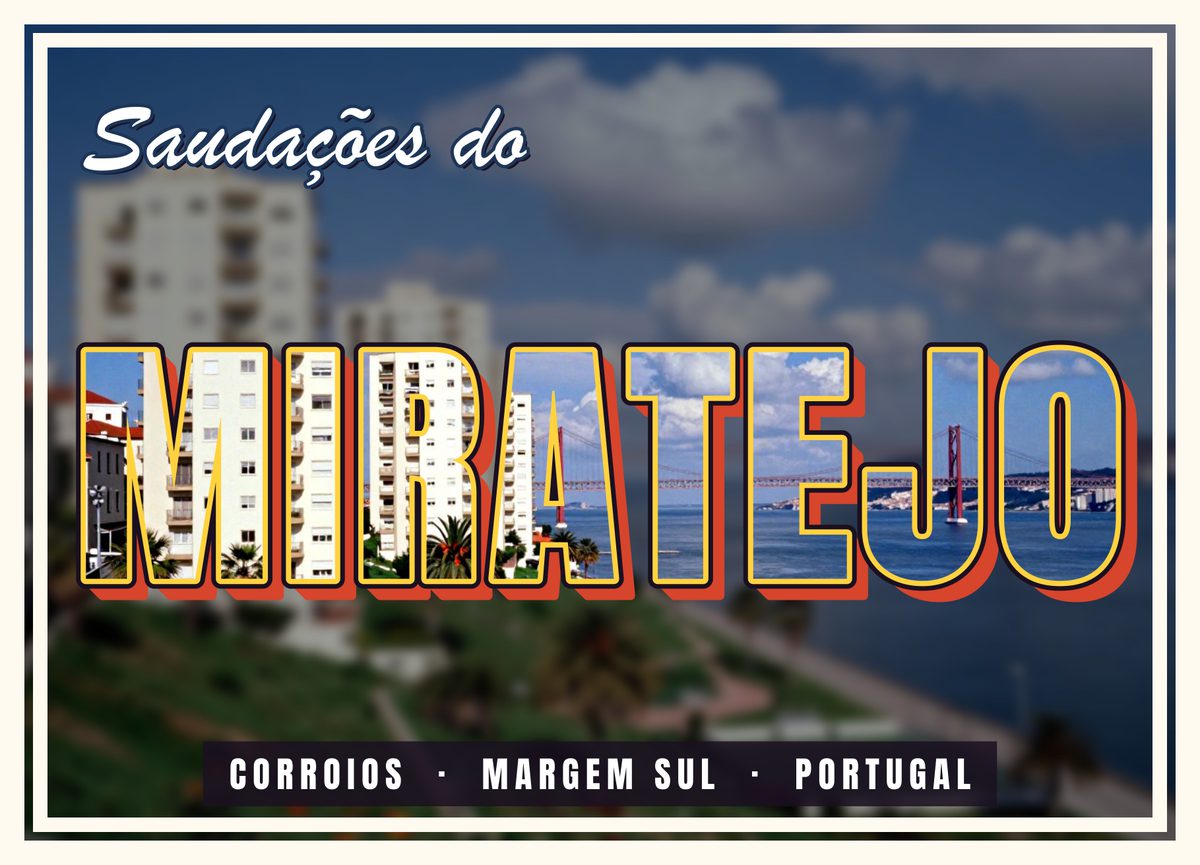
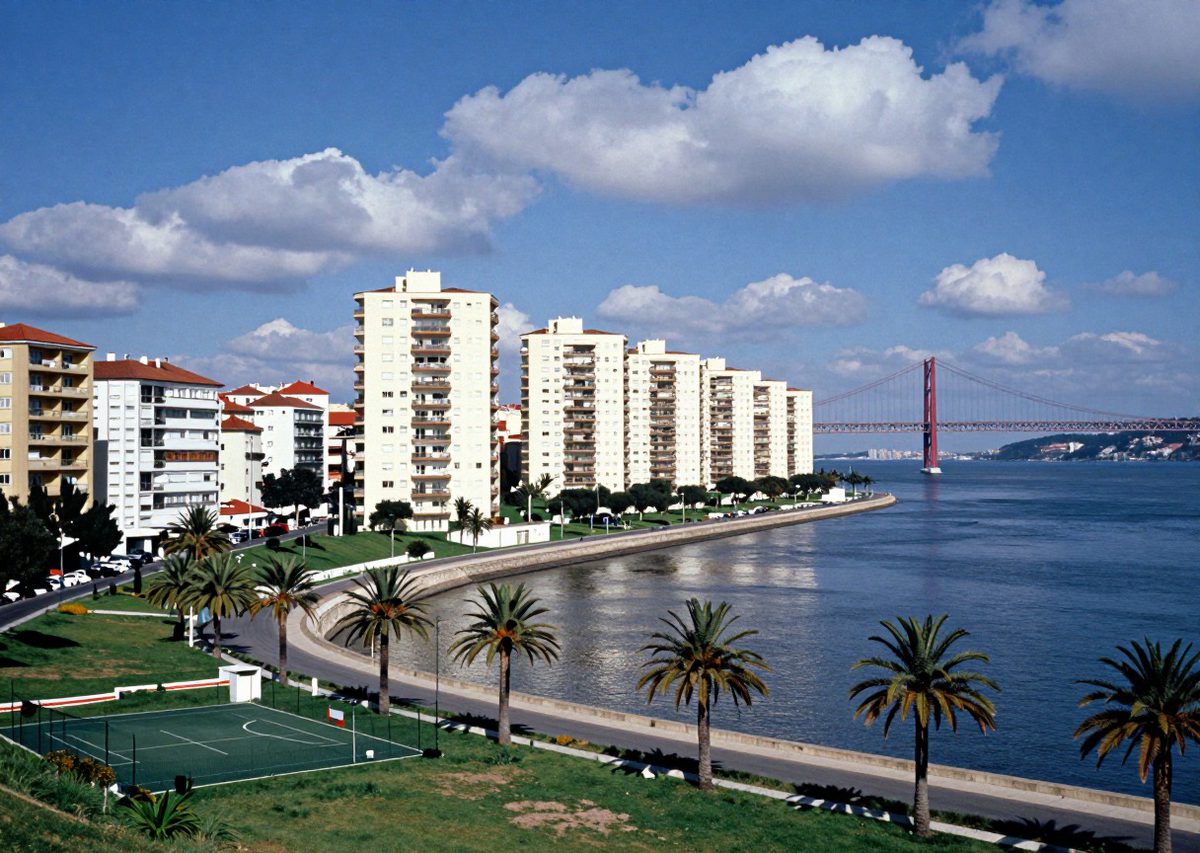
O Dred du Mira é o O.G. do Miratejo. É das torres do Miratejo, em Corroios, na Margem Sul, com o Tejo à frente e Lisboa do outro lado do rio: perto o suficiente para se ver, longe o suficiente para não mandar cá.
Fala a língua da rua: o português da Margem Sul, misturado com crioulo, e sempre em maiúsculas.
Reconhece-se logo pelas frases: TASSE BEM MANO
, FALA BEM
, FALA SIMPLES
e, acima de
todas, A BÓFIA NÃO MANDA AQUI
. Para ele, o Tupac (o "Too-Packed", como lhe chama) é o maior
de sempre do gangsta rap, e há sempre um esquema novo a caminho. O Miratejo é o território dele, e a
Margem Sul inteira o seu reino.
Onde o encontrar
- Ask Dred: fala com ele diretamente. Pergunta o que quiseres, mas fala bem.
- Dred du Mira — Beat 'em Up: pancadaria clássica, de lado, pelas ruas do Miratejo e de Almada.
- A Margem Sul Saga: a aventura completa, em catorze níveis, cada um com o seu género. Pancadaria no Miratejo, em Almada Velha, na Romeira, na Costa da Caparica e no Cristo Rei; plataformas no Feijó e no Almada Fórum; skate no Skatepark de Almada; uma regata no Tejo em Cacilhas; corridas na Piedade e no Monte da Caparica; um labirinto no estaleiro da Lisnave; e tiros no Centro Comercial M. Bica e na Redentora. Pelo caminho, o Dred junta a crew du Mira: a Nena, o Zé Ferry, o Tó Bola, a Duda, a Vanda, a Marisa, o Chico Prancha, o Bino, o Sr. Manel e o Mané Guevara.
A história da Saga é a de muitos bairros: alguém anda a comprar a Margem Sul, bairro a bairro, e chama-lhe
"renovação". O Dred atravessa-a toda para descobrir quem paga. Nas palavras dele: O BAIRRO FICA DE PÉ.
HOJE E AMANHÃ.
O Miratejo e a cultura de rua
O Miratejo é um bairro de Corroios, no concelho do Seixal, na margem sul do Tejo: torres de habitação numa encosta virada ao rio, com Lisboa no horizonte. É um bairro de famílias, de cafés e de campos de jogos, onde toda a gente se conhece e as conversas se fazem à porta dos prédios.
A Margem Sul (Almada, Seixal, Barreiro e os bairros entre eles) tem uma das culturas de rua mais fortes do país. Foi aqui que muito do rap português ganhou voz, e é aqui que se cruzam as comunidades de Cabo Verde, Angola, Guiné-Bissau e São Tomé com quem sempre viveu deste lado do rio. Dessa mistura vem a música (o rap, o kuduro, o funaná, a batida), a dança, e uma maneira própria de falar, que já passou para o resto do país.
A rua da Margem Sul também se faz de lugares: os cacilheiros que atravessam o Tejo para Lisboa, os skateparks, as praias da Costa da Caparica, os cafés onde se vê a bola, os estaleiros onde trabalharam gerações de pais e avós. A Saga leva o Dred a todos eles.
Dicionário da rua
- mano
- irmão, amigo; é assim que se trata toda a gente.
- kota
- uma pessoa mais velha, e respeitada. Chegou pelo português de Angola.
- bófia
- a polícia.
- bazar
- ir embora, pôr-se a andar. Também veio do português de Angola.
- esquema
- um plano, um negócio, um biscate.
- fezada
- uma aposta na sorte, um palpite.
- tasse bem
- "está-se bem": tudo tranquilo.
Postais da Margem Sul
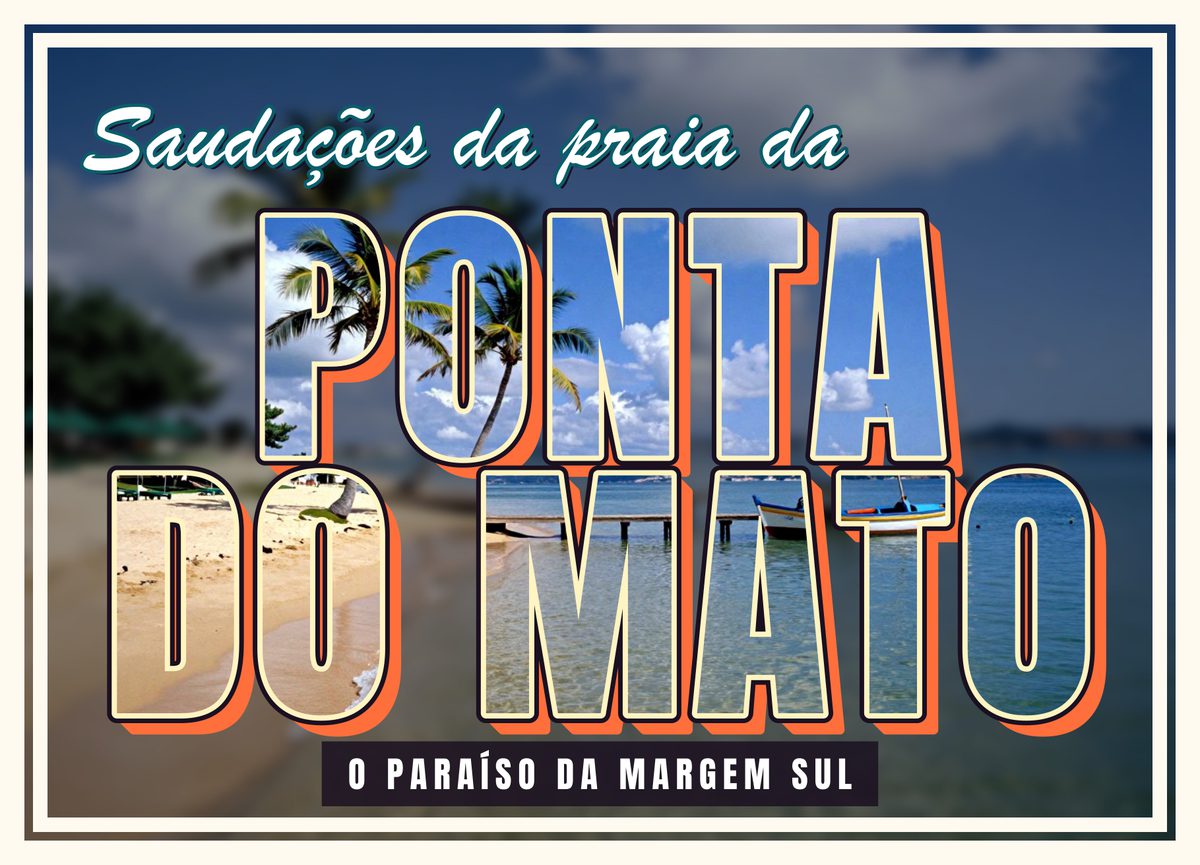
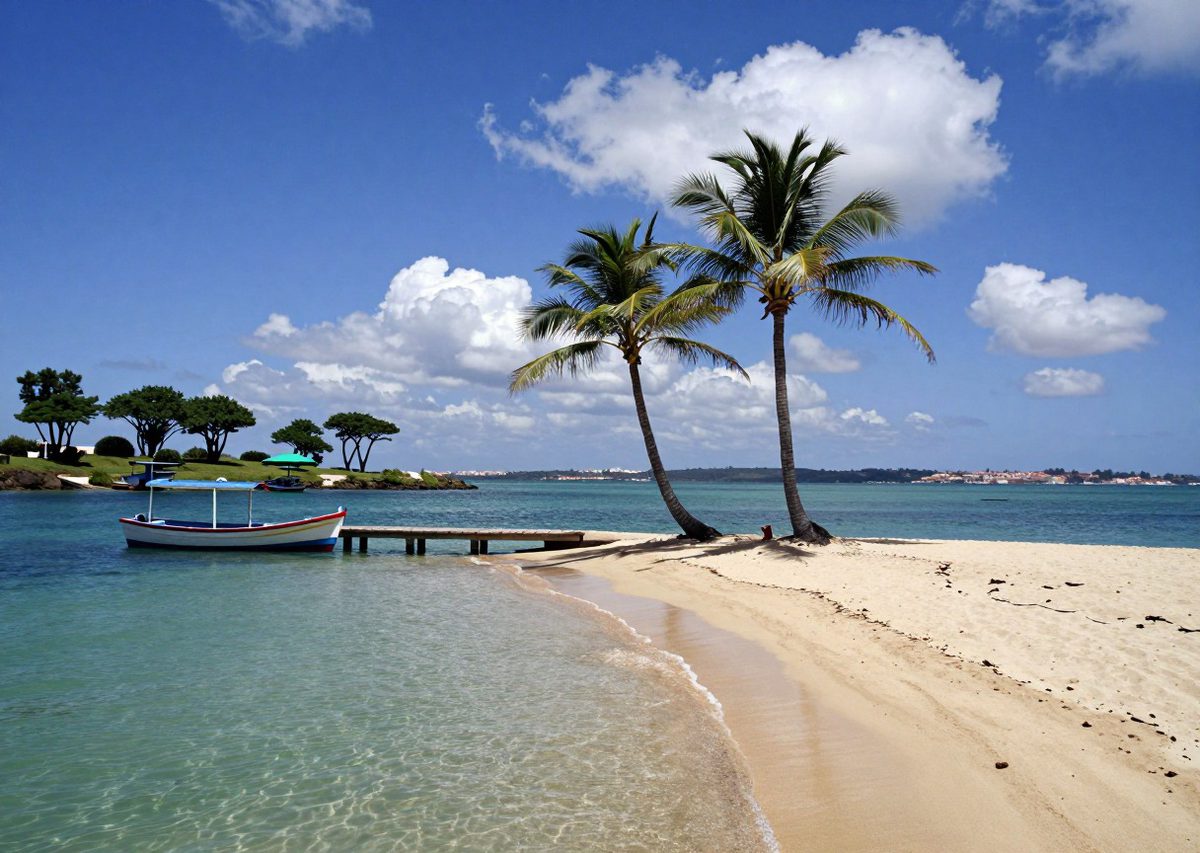
Saudações do Miratejo e da praia da Ponta do Mato, em versão paraíso tropical, tal como o Dred a imagina. Postais ilustrados feitos para a Saga, com imagens geradas por computador.